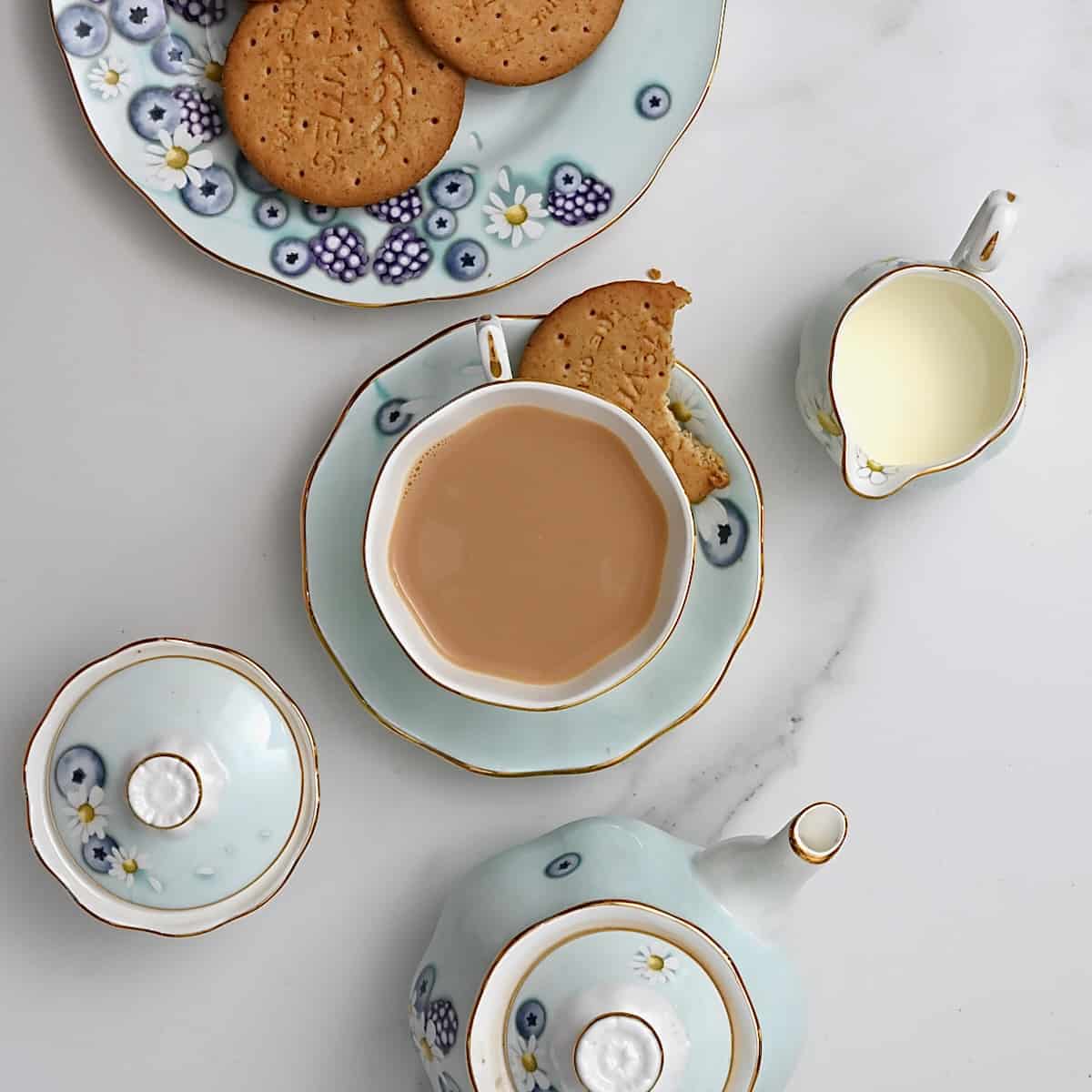
The Proper Way to Make British Tea: Unspoken UK Rules
The quintessential British cuppa is more than just a drink; it's a cultural institution, a daily ritual, and a source of national pride. So ingrained is tea drinking in the UK that the mere suggestion of an improper brewing technique can send shivers down the spines of even the most reserved Britons. Indeed, the internet famously erupted in the summer of 2020 when an American TikTok user showcased a method of making "British tea" that flagrantly violated every unspoken rule – a microwave! Half a mug of milk! The horror was palpable. Even for non-Brits living in the UK, the disregard for tradition was startling. This article aims to demystify the art of the perfect brew and guide you on how to make British tea the *proper* way. While the process is second nature to those who’ve grown up with it, there are crucial rules and guidelines that elevate a simple hot drink to a truly authentic British experience. Over-steep, and it's bitter; use water that’s too cool, and it's weak; add too much milk, and it's a lukewarm, flavorless travesty. It’s not as simple as you might think, but with these steps, you’ll be brewing like a local in no time.The Sacred Ingredients: What You'll Need for a Proper Brew
Before you even think about boiling water, assembling the right components is paramount. A true British cuppa relies on just a few key ingredients, but their quality and type make all the difference.- Black Tea: The Foundation
In the UK, the default tea is robust black tea. Popular choices include classic English Breakfast tea, known for its strong, malty flavour, and the fragrant Earl Grey, with its distinctive bergamot oil essence. While teabags are convenient and widely used for everyday brewing, many connoisseurs argue that loose leaf tea offers a superior, more nuanced flavour profile. If you opt for loose leaf, you'll need a tea infuser or a fine-mesh strainer.
Popular brands like PG Tips, Twinings, Yorkshire Tea, and Tetley dominate supermarket shelves. Ultimately, the "best" brand is a matter of personal taste, so experiment to find your favourite. As a general rule, use one tea bag or approximately ½ tablespoon (around 2g) of loose tea per 8oz (225ml) cup of water. If you’re making a full pot, many Brits traditionally add an "extra one for the pot" – meaning an additional teabag or spoonful of leaves.
- Water: The Unsung Hero
The quality of your water significantly impacts the taste of your tea. Always use freshly drawn cold water. If your tap water is particularly hard or has a strong taste, consider using filtered water. Critically, the water must be brought to a rolling boil – anything less and your tea won't properly infuse, resulting in a weak, insipid brew. More on this in the steps below!
- Milk: The Creamy Companion
Most Brits prefer cow’s milk, with semi-skimmed (2%) being a popular choice, though whole milk offers a richer taste. While dairy-free milks can be used, exercise caution; some varieties, like certain almond or soy milks, can curdle or separate when added to very hot liquid, marring the visual appeal and texture of your tea.
- Sweetener (Optional): A Touch of Sweetness
While many prefer their tea unsweetened, granulated white sugar is the traditional choice for those who do. Brown sugar, honey, or even sugar-free alternatives like stevia can also be used. Crucially, any sweetener should be added *after* the milk, allowing for precise adjustment.
Mastering the Method: Your Step-by-Step Guide on How to Make British Tea
The sequence and timing of each step are vital for achieving that perfect cup. Here’s a detailed guide on how to make British tea, whether you're using a mug or a teapot.- The Kettle Call: Heating the Water
Begin by filling your kettle (or saucepan, if using the stove) with fresh, cold water. Never re-boil water that has already been boiled, as this depletes its oxygen content and can result in a flat-tasting tea. Bring the water to a rapid, rolling boil (100°C / 212°F). This is non-negotiable; water that isn't hot enough will not extract the full flavour from the tea leaves, leaving you with a pale and underwhelming brew. And please, for the love of all that is British, never use a microwave to heat the water for your tea!
- The Vessel of Choice: Preparing Your Mug or Teapot
If using a teapot, it's customary to warm it first. Pour a small amount of boiling water into the pot, swirl it around, then discard. This prevents the hot tea from cooling rapidly when it hits a cold ceramic surface. Then, add your tea bags or loose tea leaves to the warmed pot. For a single mug, simply place the tea bag or infuser directly into the mug.
- The Infusion: Steeping for Perfection
As soon as the water boils, pour it directly over the tea. Allow the tea to steep for 3 to 5 minutes. The exact time depends on your preference for strength; 3 minutes for a milder brew, 5 minutes for a stronger, more robust flavour. Beware of over-steeping, as this will release tannins and make your tea bitter. If using loose leaf tea, ensure your infuser provides enough space for the leaves to expand and release their flavour fully. For more in-depth advice on this crucial stage, check out our guide on Brewing British Tea: Your Guide to the Perfect Cuppa.
- The Pour & The Milk: The Golden Rule
Once steeped to your liking, remove the tea bags or strain the loose leaves directly into your mug or teacup. Now comes one of the most debated (but for Brits, settled) steps: add your milk. A small splash, just enough to change the colour to a rich, warm brown, is sufficient. Adding milk *after* the tea has brewed and been poured allows the tea to infuse properly and prevents the milk from "stewing" or cooling the tea too quickly. Adding too much milk will result in a weak, lukewarm, and essentially flavourless drink – precisely what sent TikTok into a frenzy.
- Sweetening the Deal (Optional): A Final Touch
If you prefer your tea sweet, now is the time to add your sugar or preferred sweetener. Stir gently until dissolved. Avoid clinking your spoon against the sides of the mug too loudly – elegance in simplicity is key.
Unspoken Rules & Common Pitfalls to Avoid
Beyond the step-by-step instructions, understanding the nuanced etiquette of British tea making is key to avoiding cultural faux pas.- The Microwave is for Leftovers, Not Tea: We've touched on it, but it bears repeating. Using a microwave to heat water for tea is an absolute no-go. It heats unevenly and doesn't achieve the necessary rolling boil, fundamentally compromising the tea's flavour.
- Freshly Boiled Water is Sacred: Never use water that has been sitting in the kettle, or worse, re-boiled multiple times. Fresh, oxygenated water is essential for optimal flavour extraction.
- Don't Be a Milk Monster: A delicate splash is all that's required. The goal is to complement the tea, not drown it. Think of it as a subtle addition, not a primary ingredient.
- The Steep Time Sweet Spot: Patience is a virtue, but don't overdo it. Learn to gauge the strength you prefer, but generally, 3-5 minutes for black tea is the sweet spot. Anything longer will likely lead to bitterness.
- Mug vs. China Cup: While fine china teacups might be associated with formal afternoon tea, everyday British tea is most commonly enjoyed in a sturdy mug. There’s no snobbery here – it’s about comfort and convenience.
- The Biscuit Companion: While not a "rule" of making tea, a proper British cuppa is often enjoyed with a biscuit (that's a cookie to our American friends). Digestives, Rich Tea, and Hobnobs are classic choices for dunking.
For more insights into the subtle nuances and traditions, read our article on Avoid Tea Faux Pas: Make Authentic British Tea Like a Local.
