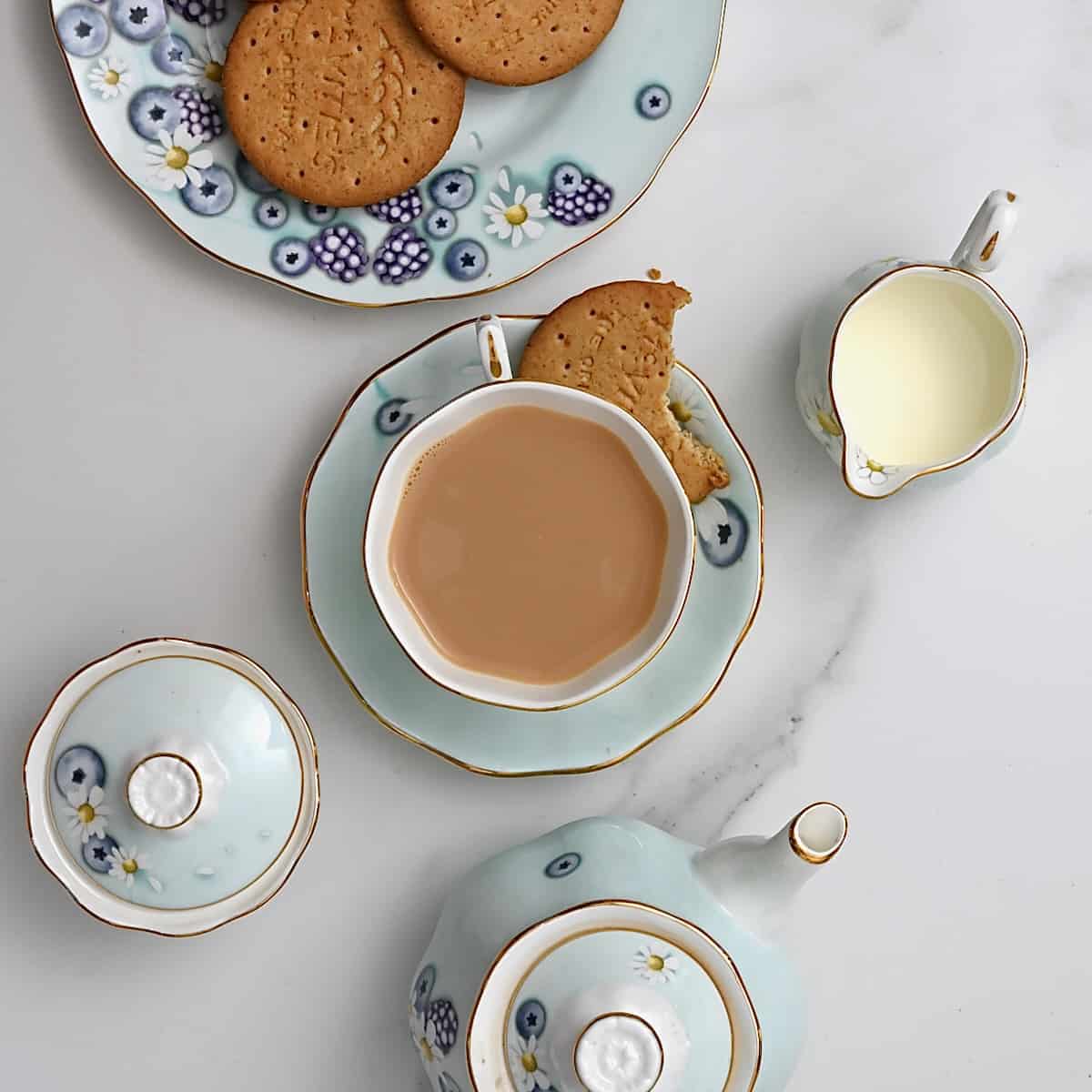
There's perhaps no beverage more intrinsically linked to a nation's identity than tea is to Britain. Far from being a mere drink, the "cuppa" is a daily ritual, a comfort, a conversation starter, and an unwavering cultural institution. Yet, for all its omnipresence, the art of brewing a truly *proper* British tea often remains a mystery to outsiders. Remember the internet uproar in 2020 when an American TikTok user unwittingly committed what many Brits considered sacrilege in their tea-making approach? It highlighted just how seriously the United Kingdom takes its beloved brew. If you’ve ever wondered how to make British tea that would earn a nod of approval from a seasoned connoisseur, you’ve come to the right place. Forget microwaves and lukewarm concoctions; we're about to delve into the time-honoured methods that produce a truly perfect cuppa.
The Cultural Cornerstone: Why British Tea Matters So Much
To understand how to make British tea, you must first grasp its profound cultural significance. In the UK, tea isn't just a drink; it's a way of life. It’s offered in times of crisis, celebrated in moments of joy, and consumed throughout the day, from the morning wake-up call to the afternoon pick-me-up. This deep-rooted tradition has given rise to a set of unspoken rules and guidelines – a culinary etiquette that dictates everything from water temperature to the order of ingredients. Deviate from these norms, and you risk committing a tea-making faux pas that could spark good-natured (or not-so-good-natured) debate! For an even deeper dive into these unique customs, explore The Proper Way to Make British Tea: Unspoken UK Rules.
The seeming simplicity of tea can be deceptive. Over-steep it, and bitterness takes hold. Use water that isn't boiling, and the full flavour won't extract. Add too much milk, and you dilute the essence, leaving you with a weak, often lukewarm beverage. Each step, though seemingly minor, plays a crucial role in achieving that perfect balance of strength, warmth, and flavour that defines a proper British cuppa. It’s a craft passed down through generations, becoming second nature to those who’ve grown up with it, but thankfully, easily learned by anyone willing to respect the tradition.
Gathering Your Arsenal: Essential Ingredients for a Proper Brew
Mastering how to make British tea begins with selecting the right components. You'll only need a few, but their quality and type are paramount to the final result.
The Star: Black Tea Selection
- Type: The undisputed champion for British tea is strong black tea. Popular choices include English Breakfast tea (a robust blend often featuring Assam, Ceylon, and Kenyan teas) and Earl Grey (a black tea infused with bergamot oil, offering a distinctive citrusy aroma). While you can experiment, these are the traditional staples.
- Format: You have two primary options:
- Tea Bags: Convenient and widely used for everyday brewing. Popular British brands include PG Tips, Twinings, Yorkshire Tea, and Tetley.
- Loose Leaf Tea: Often considered superior in quality, offering a more nuanced and richer flavour profile. If using loose leaves, you'll need a tea infuser, a fine-mesh strainer, or even empty tea bags to contain them. Many British tea enthusiasts argue that loose leaf tea provides a more authentic experience.
- Quantity: A good rule of thumb is one tea bag or approximately ½ tablespoon (around 2g) of loose tea per 8oz (225ml) cup of water. If you're brewing a teapot for multiple servings, many Brits add an "extra one for the pot" to ensure strength – so, 3 bags for 2 cups of water, for instance.
The Creamy Companion: Milk Choices
Milk is an integral part of British tea, so much so that it's often referred to as "milk tea." The choice of milk can significantly impact the final taste and texture.
- Dairy Milk: Most Brits opt for cow's milk. While whole milk offers the creamiest texture, semi-skimmed (2% fat) is also extremely popular. Skimmed milk can be used, but some find it too watery and lacking in richness.
- Dairy-Free Alternatives: If you prefer plant-based milks, exercise caution. Some dairy-free options, particularly those with higher protein content like soy or almond, can curdle or separate when added to very hot tea. Oat milk tends to be a more stable and popular choice for hot beverages, offering a creamy texture without separation. Always add plant milk slowly and stir well to avoid issues.
The Foundation: Water and Optional Sweeteners
- Water: The base of your tea. Freshly drawn cold water is crucial. Avoid re-boiling water, as this reduces its oxygen content, which can dull the tea's flavour. The water quality also matters – if you live in an area with hard water (high mineral content, like much of the UK), you might notice a film on your tea; a water filter can help.
- Sweetener (Optional): Granulated white sugar is the traditional choice, but brown sugar, honey, or sugar-free sweeteners like stevia or erythritol are also common. Add to taste.
Step-by-Step: Mastering How to Make British Tea the Authentic Way
Now for the main event: the practical guide on how to make British tea. Whether you're using a kettle or a stove, a mug or a teapot, the principles remain the same.
1. Heat the Water (and Warm the Vessel)
- For the Water: Fill your kettle or stovetop pot with fresh, cold water. Bring it to a rolling boil – this is vital for proper tea extraction. Never use water that hasn't reached this vigorous boil.
- For the Vessel: While the water heats, warm your mug or teapot. Pour a small amount of hot water into it (from the tap, or a quick kettle boil if you have extra), swirl it around, then discard. This prevents the hot tea from cooling too rapidly when it hits a cold surface, ensuring your cuppa stays hot and flavourful.
2. Add the Tea
- For Tea Bags: Place your chosen tea bag(s) directly into your warmed mug or teapot. Remember the "one per cup, plus one for the pot" rule if making multiple servings.
- For Loose Leaf Tea: Add your measured loose tea (approx. ½ tbsp per cup) into a tea infuser, a separate muslin pouch, or directly into the teapot if you plan to strain later.
3. The Perfect Steep
- Pour the Water: Immediately after the water boils, pour it directly over the tea bag or loose leaves. The vigorous heat is essential to "wake up" the tea leaves and release their full flavour and aroma.
- Steep Time: This is where personal preference comes in, but a general guideline for robust black teas is 3-5 minutes.
- 3 minutes: For a lighter, brighter brew.
- 4-5 minutes: For a stronger, more traditional British cuppa.
- Remove the Tea:
- Tea Bags: Gently press the tea bag against the side of the mug or teapot with a spoon to extract any remaining flavour, then remove and discard it. Avoid squeezing it excessively, as this can release bitter compounds.
- Loose Leaf Tea: Remove the infuser, or strain the tea into your mug using a fine-mesh sieve.
4. The Finishing Touches: Milk First or Last?
This is a topic of much debate among tea aficionados, with historical roots. Traditionally, "milk first" was common to prevent cracking delicate china with hot tea. Today, with stronger mugs, the order is less about breakage and more about personal preference and aesthetic.
- Adding Milk: Pour a splash of milk into your tea. The quantity is key – aim for enough to lighten the colour to a rich, caramel hue, but not so much that it dominates the tea's flavour or cools it significantly. Stir gently to combine.
- Adding Sweetener: If desired, add your sugar or preferred sweetener now, stirring until dissolved.
Congratulations, you've now brewed a proper British cuppa! The aroma alone should tell you you've done something right.
Beyond the Basics: Tips for Elevating Your British Tea Experience
Once you’ve mastered the core steps of how to make British tea, consider these additional tips to truly perfect your daily brew:
- Water Quality is Key: Filtered water can make a noticeable difference, especially if your tap water has a strong flavour or is particularly hard.
- Pre-Warming Your Pot: For teapots, always pre-warm them with hot water before adding the tea and boiling water. This ensures the pot retains heat and the tea brews at an optimal temperature throughout the steeping process.
- The Perfect Accompaniment: A proper cuppa is often enjoyed with a biscuit (cookie) for dunking. Digestive biscuits, rich tea biscuits, or shortbread are classic choices.
- Avoiding Common Pitfalls: Never use a microwave to heat or reheat your tea. It ruins the delicate flavour profile and is a cardinal sin in British tea culture. Similarly, don't leave your tea bag in the mug indefinitely; it will become overly strong and bitter. For more insights on what to avoid, read Avoid Tea Faux Pas: Make Authentic British Tea Like a Local.
- Experiment and Personalise: While there are guidelines, the "perfect" cuppa ultimately comes down to your personal taste. Experiment with steeping times, milk quantities, and different types of black tea to discover what you enjoy most.
Making British tea is more than just combining ingredients; it's a mindful ritual that connects you to centuries of tradition. By following these steps and understanding the nuances, you’re not just brewing a drink – you’re embracing a beloved cultural cornerstone. So go on, put the kettle on, and enjoy your perfectly brewed cuppa!
